Why the Navy's Sea Hunter Drone Ship Still Can't Decide Who's Driving
 K. Brennan
The Navy has been sailing robot ships across the Pacific for a few years now, and the pitch hasn't changed much since 2016: no crew, no risk to sailors, cheap to build, hard to sink because there's nobody aboard to lose. Medium Displacement Unmanned Surface Vessels and their larger cousins are supposed to carry missiles, sensors, and decoys across contested water while a handful of operators watch from somewhere safe.
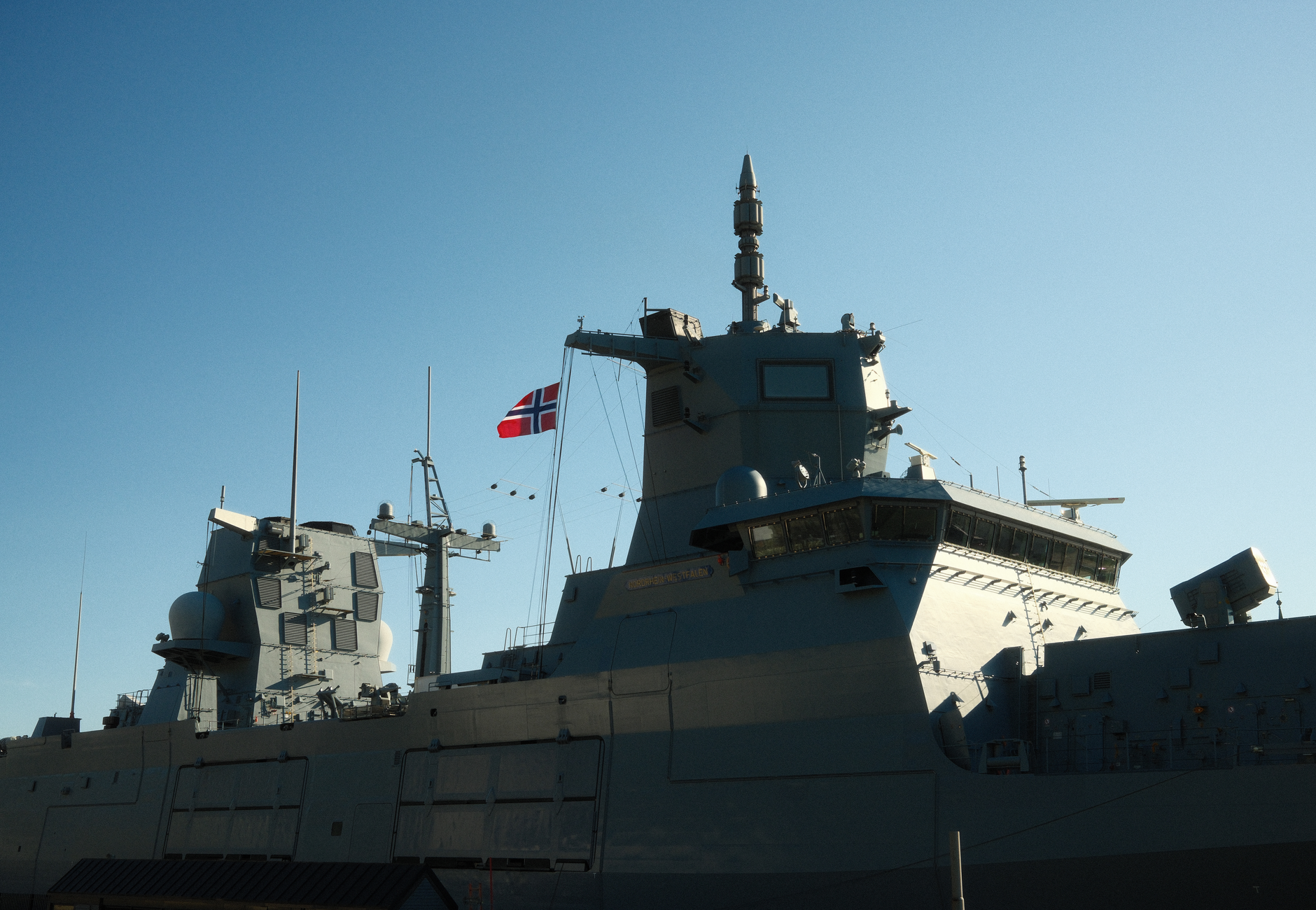 Photo by Dua'a Al-Amad on Pexels.
Here's the part that doesn't make it into the press releases. Every time one of these ships goes out for a serious exercise, there's a crewed vessel trailing it. Sometimes it's called a safety boat. Sometimes it's a chase ship. Either way, the autonomous future keeps bringing a babysitter.
That's not a minor technicality. The whole budget case for unmanned vessels rests on removing people from the equation, both for cost and for risk. The Navy's own long-range shipbuilding plans lean hard on unmanned hulls to pad out fleet numbers without paying for destroyer-sized crews. If every unmanned ship needs a shadow vessel with sailors on it anyway, the math stops working. You haven't removed the people. You've just split them onto two ships and added a second hull to maintain.
The technical reason for the chase boat is straightforward: nobody fully trusts the collision-avoidance software yet, especially in crowded shipping lanes or bad weather. COLREGS, the international rules for avoiding ship collisions, were written assuming a human is on a bridge making judgment calls. Teaching software to interpret "the other ship is probably going to turn" with the same confidence as a merchant mariner with twenty years at sea is a harder problem than it sounds, and the Navy has been quietly admitting as much in testimony for years.
There's also the question of what these ships are actually for, which keeps shifting depending on who's briefing Congress that week. Is Sea Hunter and its successors a scout, quietly patrolling and reporting back? Is it a missile truck, meant to add distributed firepower without risking a destroyer? Program documents have described it as both, sometimes in the same slide deck.
That mission ambiguity bleeds into the autonomy question. A pure scout can get away with being semi-autonomous and slow to react, because nothing bad happens if it loses a GPS link for ten minutes. A missile-carrying combatant operating near adversary ships can't afford that kind of latency. You need the system to make split-second decisions about what's a threat and what's a fishing trawler, without a human in the loop slowing things down, but you also need it to never, ever get that decision wrong in a way that starts a war by accident.
graph TD
    A[Unmanned Hull] --> B{What's the Mission?}
    B --> C[Scout: Tolerates Latency]
    B --> D[Shooter: Needs Split-Second Calls]
    C --> E[Lower Autonomy OK]
    D --> F[Needs Trusted Autonomy]
    F --> G[Not There Yet]
    G --> H[Send a Chase Boat]
The Navy isn't wrong that unmanned surface vessels could eventually be cheaper and more expendable than a frigate. Sea Hunter itself was built for a fraction of the cost of a crewed combatant and has logged real open-ocean transits without a soul aboard. That part works. The part that doesn't work yet is trusting the ship enough to let it operate without a human-crewed shadow nearby, ready to take over the second the software gets confused by a container ship or a fishing fleet.
Until that trust gap closes, the fleet of the future keeps arriving with an asterisk: autonomous, mostly, as long as there's a crewed boat close enough to grab the wheel. That's not autonomy. That's a very expensive remote control with extra steps.
Get Defense & Donuts in your inbox
New posts delivered directly. No spam.
No spam. Unsubscribe anytime.