Why the Army's $1 Billion Synthetic Training Environment Can't Figure Out If It's a Video Game or a War Simulator
 K. Brennan
There is a PowerPoint slide somewhere inside the Army's Program Executive Office for Simulation, Training and Instrumentation that shows a soldier wearing a headset, staring into a photorealistic virtual battlefield, making complex decisions in real time. The Army loves that slide. The problem is that building the actual system behind it has turned out to be considerably harder than building the slide.
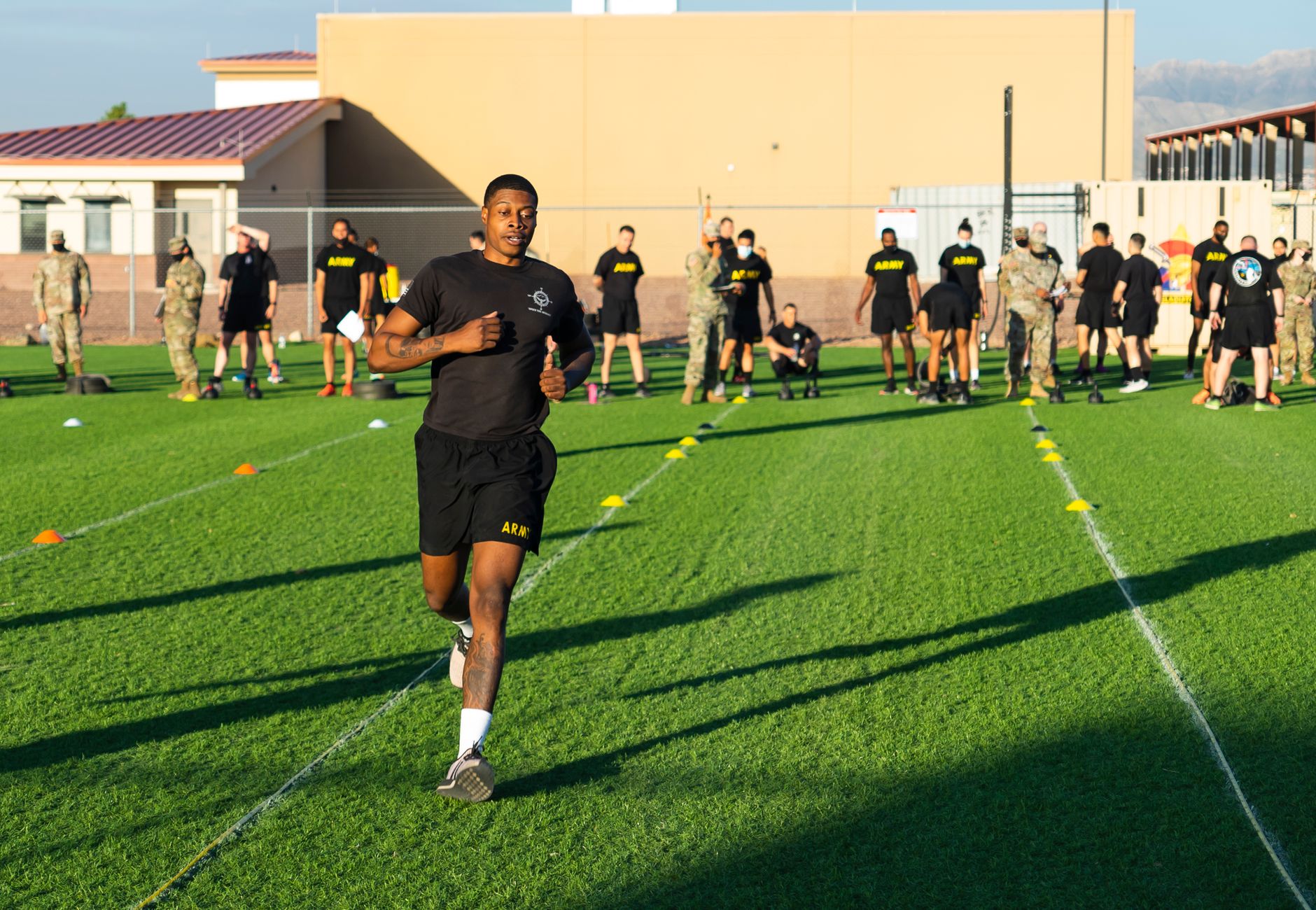 Photo by Matthew Hintz on Pexels.
The Synthetic Training Environment, known as STE, is the Army's attempt to collapse a sprawling zoo of legacy simulators into one unified platform. Right now, tank crews train in one box, helicopter pilots train in another, infantry soldiers train somewhere else entirely, and almost none of these systems talk to each other. STE is supposed to fix that: a single, connected environment where a platoon can rehearse a mission, a commander can wargame a course of action, and a logistics officer can practice convoy operations, all inside the same synthetic world at the same time.
On paper, that vision is genuinely compelling. In practice, the program has spent most of its life since its 2017 launch renegotiating what
Get Defense & Donuts in your inbox
New posts delivered directly. No spam.
No spam. Unsubscribe anytime.