Why the Army's $6 Billion TITAN Ground Station Can't Quite Figure Out What Data to Actually Show
 K. Brennan
The Army paid Palantir $36 million to build a prototype. Then it spent years arguing about what screens should display. That is, genuinely, a summary of where the Tactical Intelligence Targeting Access Node (TITAN) program has been.
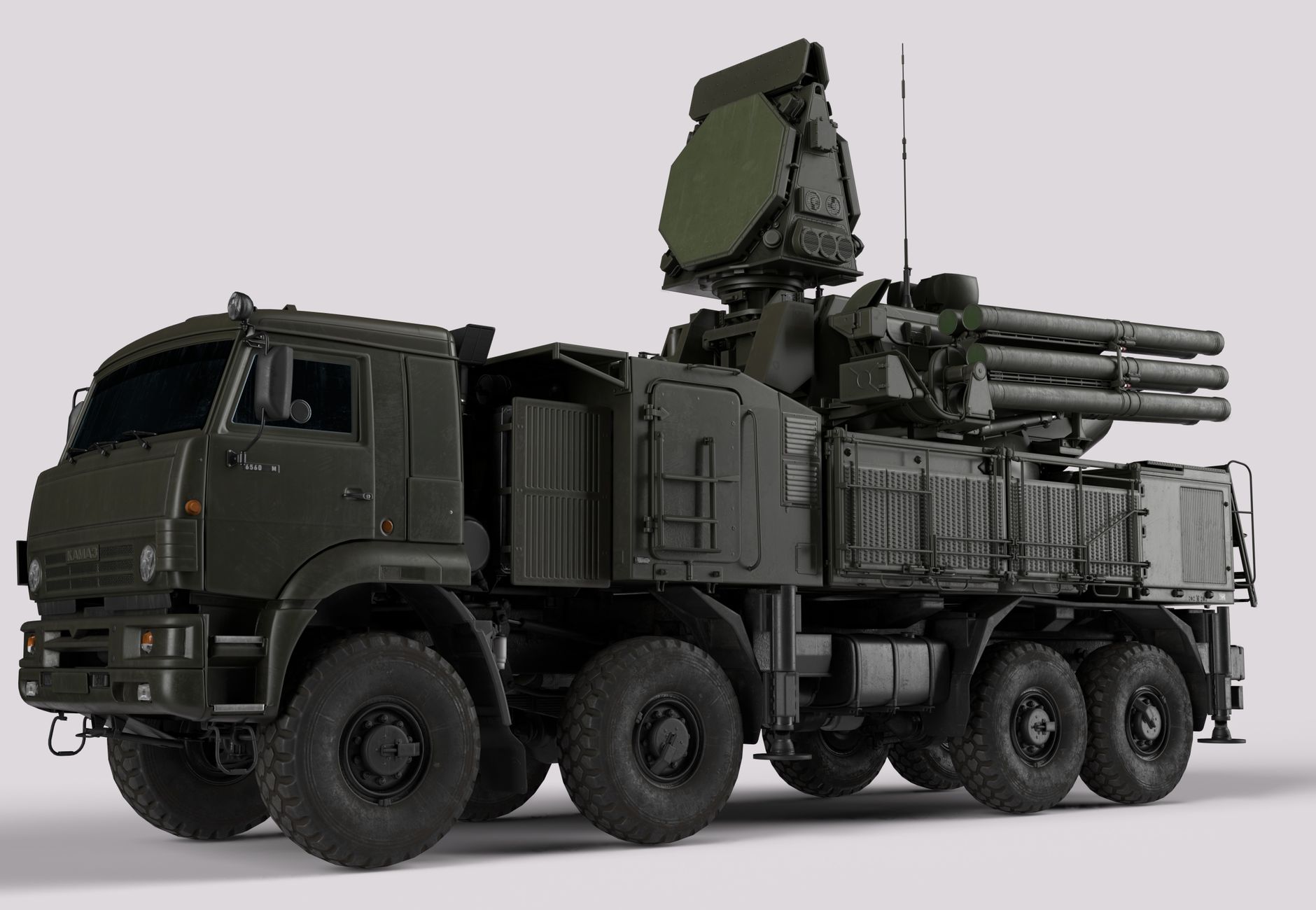 Photo by Sergey Koznov on Pexels.
TITAN is supposed to be the Army's answer to a real problem: too many sensors, too little synthesis. Satellites, high-altitude drones, ground radar, signals intercepts, all of that data floods in from different systems, formatted differently, tagged differently, and currently processed by analysts who are effectively copying and pasting between windows while artillery waits. TITAN's job is to ingest all of it, correlate targets automatically, and push actionable data to fires units fast enough to matter. On paper, it closes the kill chain. In practice, the program has spent the better part of four years renegotiating what "closing the kill chain" even means.
Here is the basic shape of the problem.
The Army wants TITAN to process data from five different intelligence, surveillance, and reconnaissance tiers simultaneously. Space-based sensors. High-altitude long-endurance aircraft. Medium-altitude drones. Tactical unmanned systems. Ground-based radars. Each tier has its own data standards, its own latency profile, its own classification handling. Getting all five to talk to a single ground station in near-real-time requires software integration work that the Army initially assumed was closer to done than it actually was.
Palantir built a system that works. The honest caveat: it works on the data sources it was tested with, in the exercise environments it was tested in, against the target types that showed up during evaluations. Expanding that to a full operational environment, contested spectrum, degraded networks, adversary electronic warfare, is where TITAN's confidence interval gets wide in a hurry.
graph TD
    A[Space Sensors] --> D{TITAN Node}
    B[High-Alt Drones] --> D
    C[Ground Radar] --> D
    D --> E[Target Correlation Engine]
    E --> F[Fires Unit]
    E --> G[Commander Display]
There is also the display problem, which sounds trivial and absolutely is not. One of the recurring complaints from soldiers who have worked with TITAN in exercises is information overload. The system can surface hundreds of potential targets. Without smart filtering and confidence scoring baked into the interface, you have handed an analyst a firehose and called it a solution. The Army pushed back on early interface designs multiple times. Palantir revised. The Army pushed back again. Some of that iteration is normal software development. Some of it reflects requirements that were written before anyone sat down with actual intelligence analysts and asked what they needed to see in the first three seconds.
The schedule tells the story. TITAN's program of record called for fielding initial capability to the first unit by fiscal year 2024. That date slipped. The revised target moved toward late 2025 into 2026. As of early 2026, fielding to the 1st Cavalry Division at Fort Cavazos is underway, but at a pace that suggests the Army is still working through software stability issues rather than sprinting toward scale.
To be fair to everyone involved: TITAN is solving a genuinely hard problem. Multi-source sensor fusion at tactical speed is not a solved discipline anywhere in the world. The Israeli military does it better than most; so does the U.S. Air Force in some domains. Doing it in a mobile ground station that can survive in a near-peer fight, with enough redundancy to keep working when satellites get jammed and networks degrade, is a different challenge than doing it in a fixed facility with clean data feeds.
The $6 billion figure covering the full TITAN program of record also covers sustainment and follow-on development, so it would be unfair to treat it as a sticker price for hardware that does not work. The system does work. Soldiers have used it. It has correlated targets faster than legacy methods in controlled conditions.
What it has not done yet is prove it can do that under conditions designed to break it.
Peer adversaries, specifically China and Russia, have invested heavily in jamming, spoofing, and physically targeting command-and-control nodes. A ground station that synthesizes all your best intelligence data is also, from an adversary's perspective, the single most attractive target on the battlefield. TITAN's survivability requirements include mobility and low-profile emissions, but those requirements exist in tension with processing power. You cannot run a data center on a truck and also make it invisible.
The Army knows this. Program managers know this. None of it is secret. What remains genuinely uncertain is whether the software will reach the stability and speed needed before the procurement decision locks in quantities and configuration. That decision is coming. The data it runs on had better be cleaner than what TITAN is currently trying to sort through.
Get Defense & Donuts in your inbox
New posts delivered directly. No spam.
No spam. Unsubscribe anytime.